
Cement Tiles 101: The Complete Guide
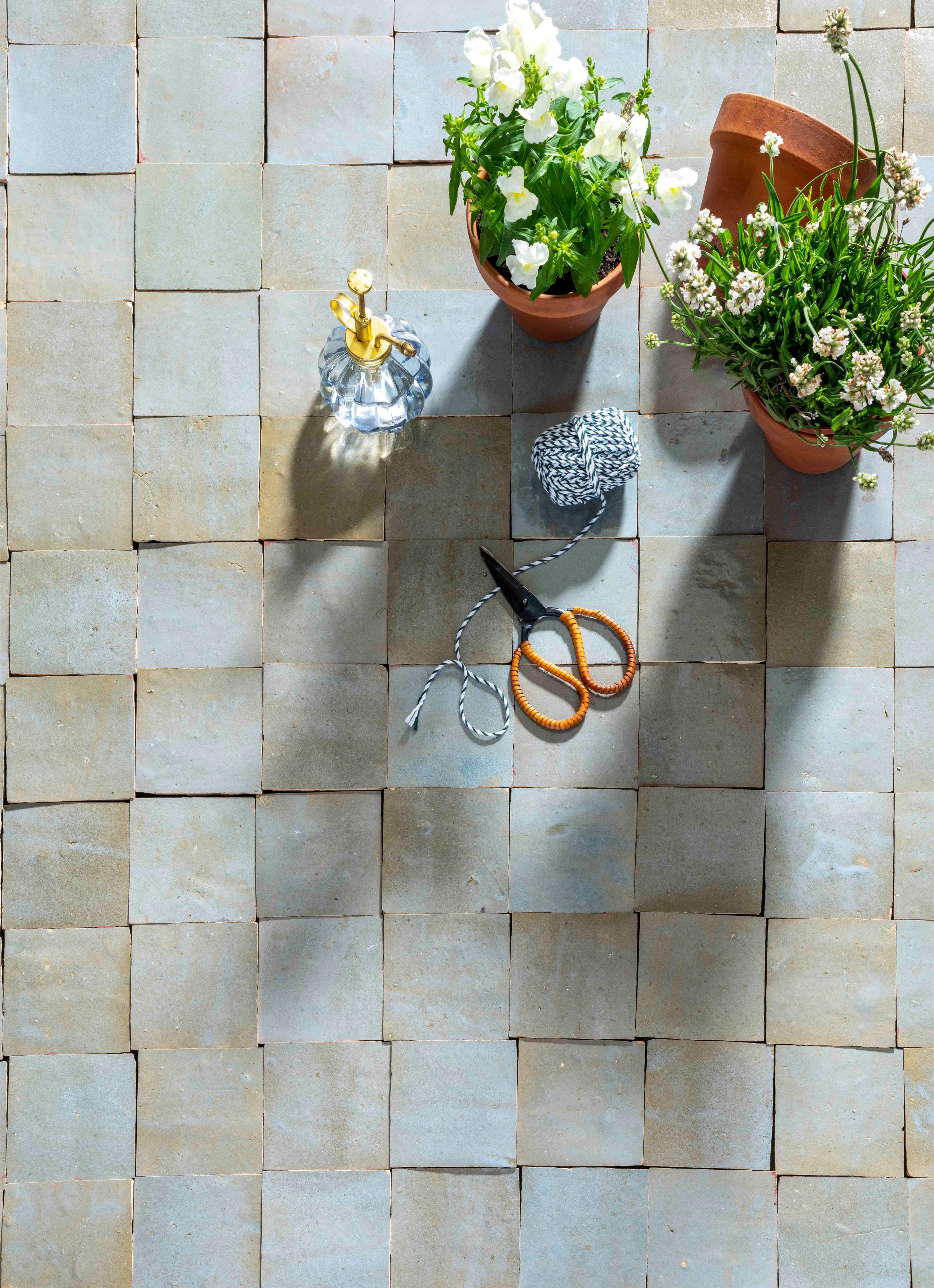
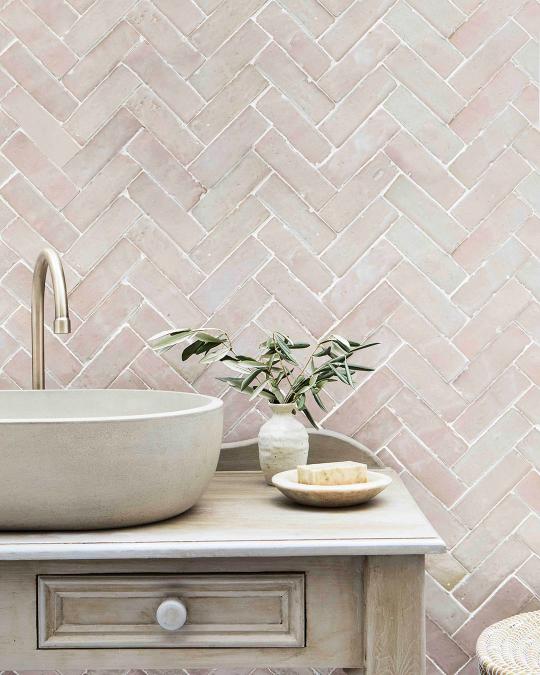
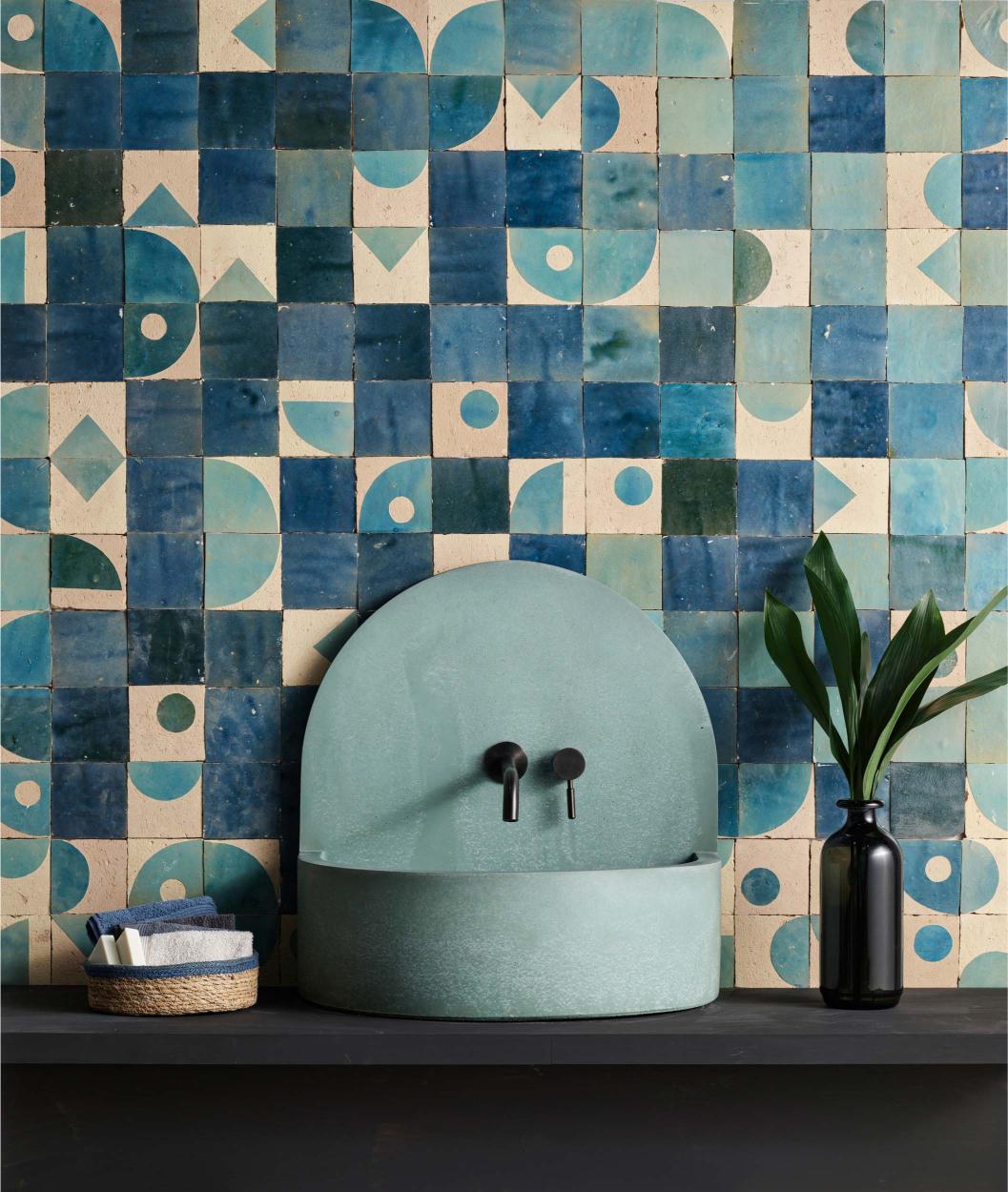
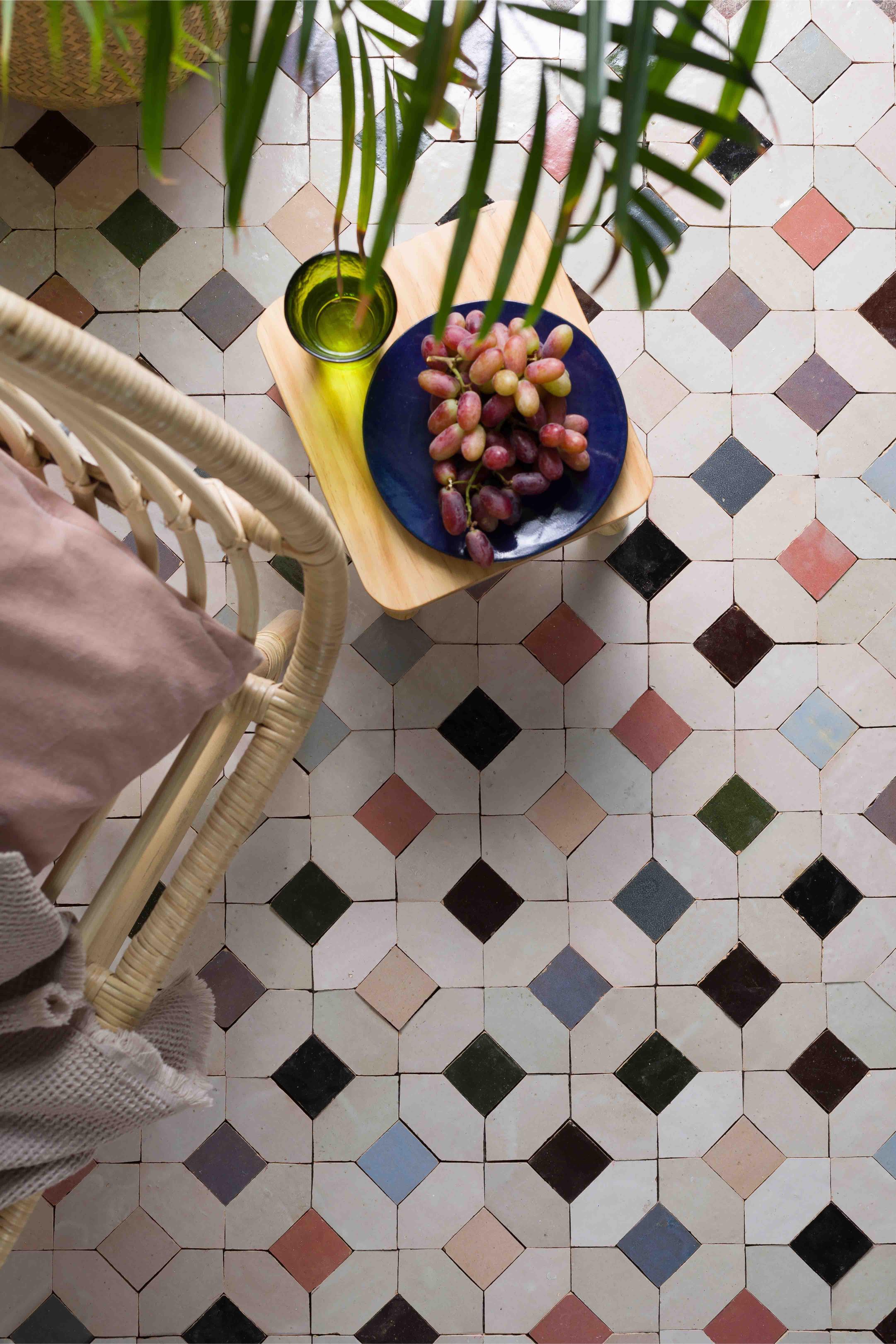
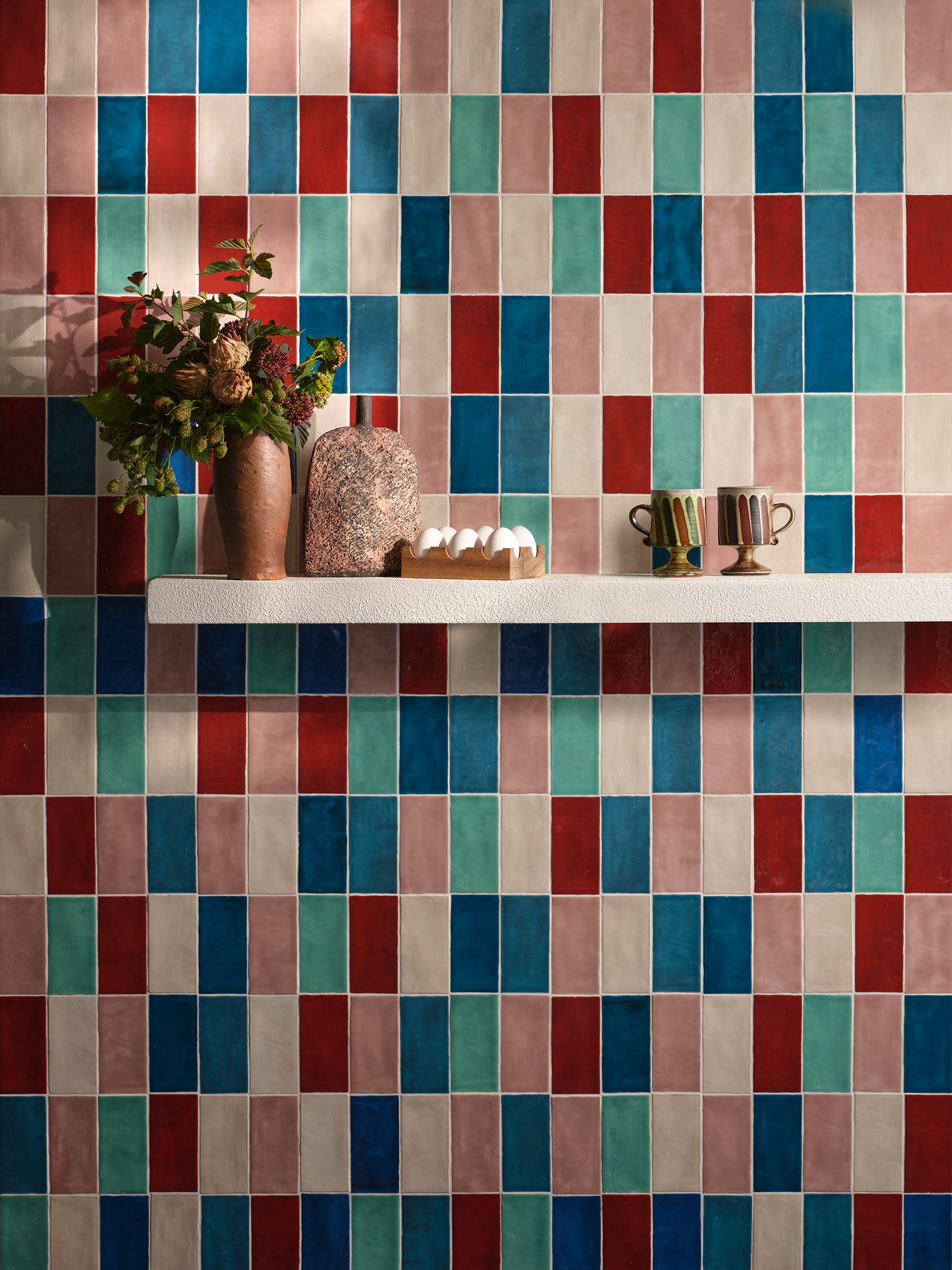
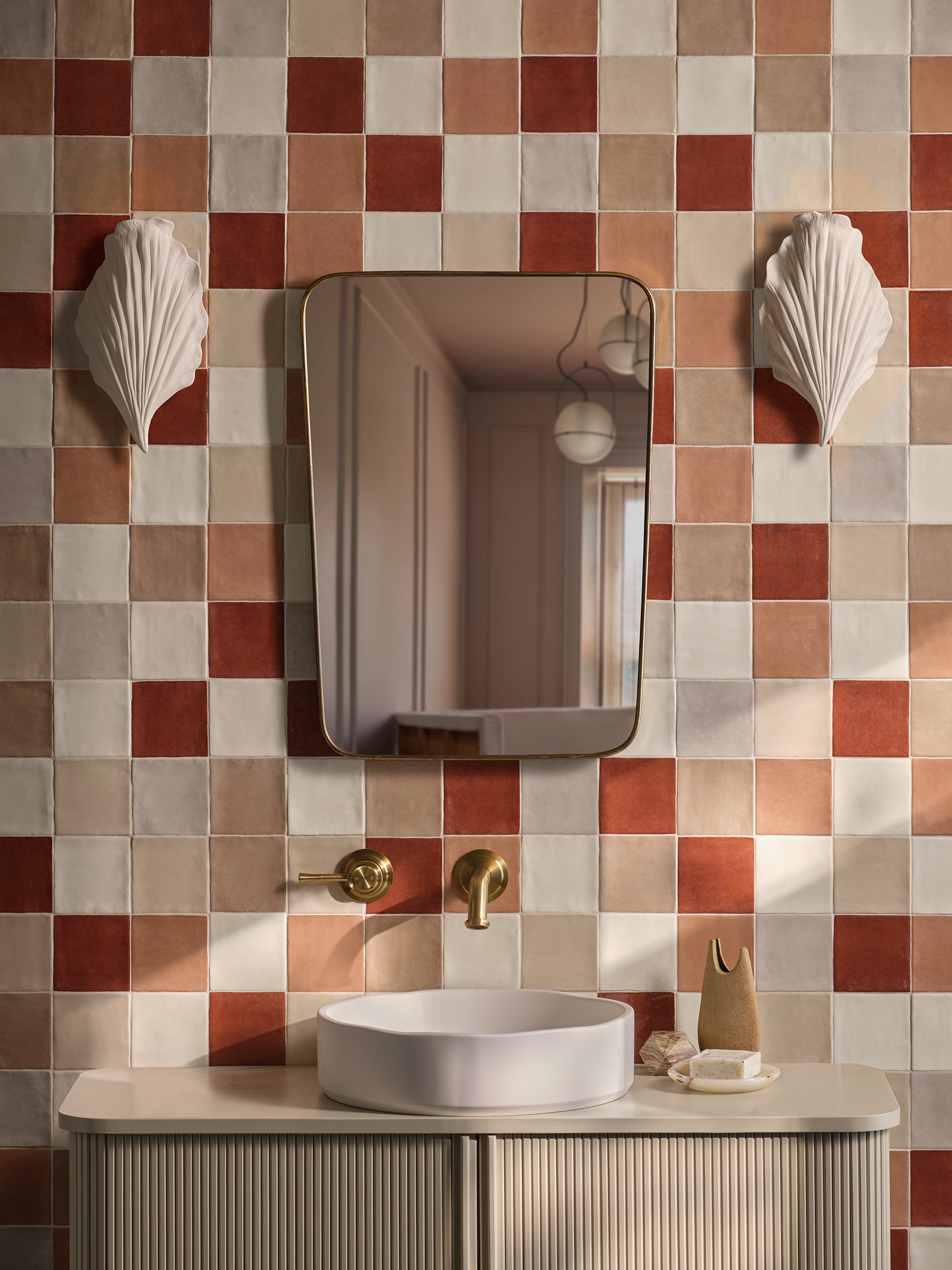
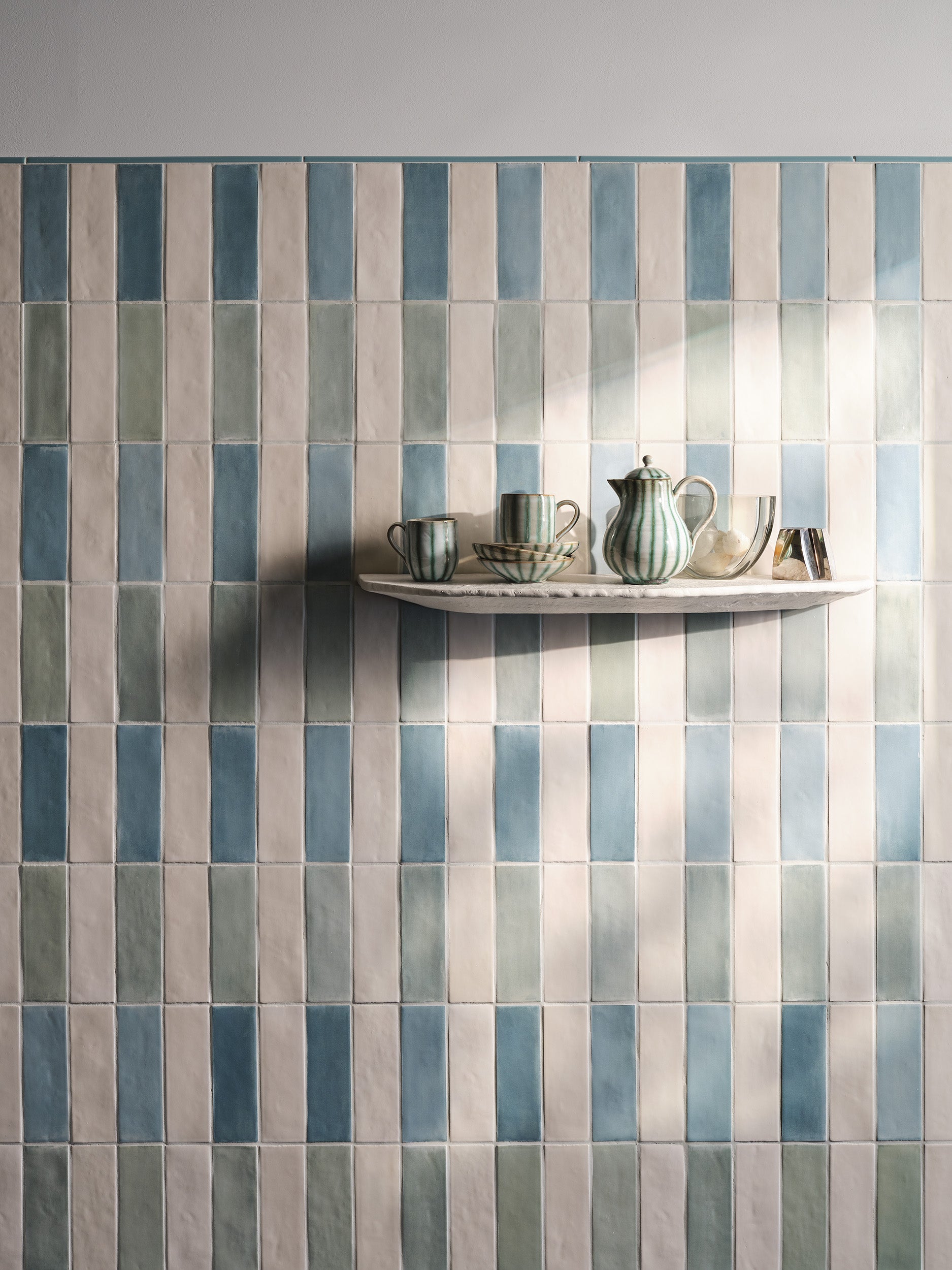
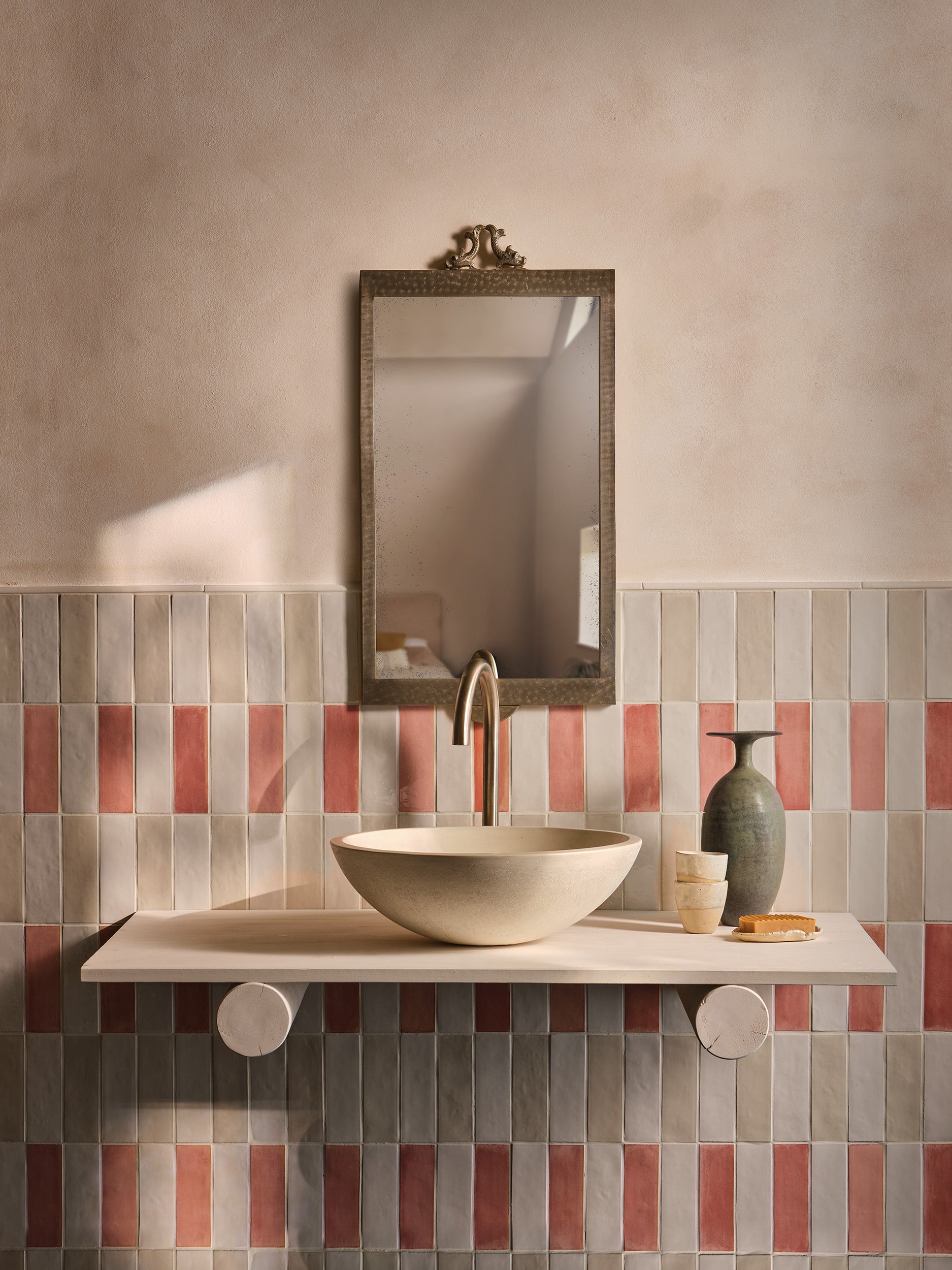
Soulful, rich in character, and durably versatile, encaustic cement tiles are a modern homage to age-old craftsmanship. Each tile boasts a silky matte finish, vibrant color depth, and slight variations that reflect a rich level of authenticity and human touch.
Otto Tiles & Design’s stunning Encaustic Cement Tile collection is a class-act example of this type of tile — combining innovative technological advances with the integrity of handmade, artisan craftsmanship. The result is tile that boasts a richness of form across multiple variations, from solid, saturated hues to subtle tones and dramatic patterns.
In this comprehensive guide to cement tile, we’ll walk you through everything you need to know about this product choice — from how cement tiles are actually made to where to use them, how to install them, and how to take care of them.
Of course, we’ll also share the stuff that gets your design juices flowing, including inspiring ideas for how to use cement tile in your own home. Let’s dive in.

What Are Cement Tiles?
While the name may make them sound a bit industrial, encaustic cement tiles couldn’t be further from it. They are stunning tile options for the home and beyond, and often double as miniature works of art.
Originating in Europe in the mid-19th century, cement tiles are generally made from a blend of natural cement, fine sand, marble powder, and natural mineral color pigments. Unlike ceramic or porcelain, encaustic tiles are not kiln-fired. Instead, they are produced using a hydraulic press that compresses layers of pigmented cement. For patterned cement tiles, those layers also include intricate patterns beneath the surface of the tile.
Because they are never fired in a kiln (and are also handmade) encaustic cement tiles are very eco-friendly and sustainable. The energy used in the production process is quite low.
Both the color (and design or pattern, if applicable) are embedded into the tile rather than printed or glazed on top, so encaustic cement tiles develop a beautiful patina over time and have a matte, chalky look that differentiates them from ceramics, rather than their color or pattern fading and wearing away. So, they are especially celebrated for their rich depth of color, their lovely matte finish, and the undeniable artisanal character.
Each tile is slightly unique, reflecting its handcrafted process, which is part of what gives encaustic cement tile its enduring charm and presence.
Types of Cement Tile
Plain Cement Tile: While they are far from “plain” or lackluster, plain cement tiles are simply made with a single, uniform color throughout the tile’s layers. The pigment is evenly blended into the cement mixture, creating a clean, consistent hue with subtle natural variation. These tiles are selected for their minimalist appeal and matte finish. Over time, solid cement tiles develop a soft patina that enhances their depth and character.
Patterned Cement Tile: Patterned cement tiles feature designs that are created by pouring different mineral pigments into a mold before the tile is hydraulically pressed. Unlike other types of tiles, the pattern is not printed or glazed; it is inlaid into the tile's surface layer, typically several millimeters deep. This process allows the design to age and wear beautifully over time while retaining its richness and detail.
At Otto Tile & Design, it’s important to note that our encaustic cement tiles have three main features that set them apart.
-
We produce slimline tiles with 0.5-inch thickness instead of 0.7-inch. Our innovative technology uses high-standard fiber in the tile, reducing the carbon footprint by 50%, as well as the amount of cement needed. An added bonus? The tiles are lighter and much easier to install on walls and floors.
-
Our encaustic cement tile molds are entirely handcrafted by artisans using traditional techniques. This process provides a more organic look with beautiful imperfections to the lines and patterns that prevent the less authentic look of machine-cutting molds. Our tiles look natural and reclaimed — just like genuine handmade tiles are supposed to.
-
We use the finest natural color pigments and original production techniques to achieve and sustain the highest in quality standards. Every cement tile pattern begins in our London and Miami design studio — a space where craftsmanship meets imagination and artistry. We don’t import ready-made tiles; we create our own.
Where Can You Use Cement Tiles?
Because of their timeless appeal, encaustic cement tiles are used across design aesthetics, from traditional to contemporary and modern spaces. Check out the range of places you can use this versatile tile:
-
Walls and floors
-
Showers and wet areas
-
High-traffic commercial areas
-
Indoor and outdoor
-
Kitchens and bathrooms
-
Fireplace surrounds
-
Backsplashes
-
Underfloor heating
Design Inspiration for Cement Tiles
From solid hues to stunning patterns, designers and homeowners alike have used cement tile to transform their spaces into one-of-a-kind statements in countless ways.
If you need some ideas for how and where to use cement tile in your home, let these ideas guide your imagination.
Cool, Calm, and Collected
The hip elegance of this Bel Air encaustic cement tile bathroom makes this breezy space a dream. The fresh pattern is a perfect complement to the classic navy tub and warm wood tones.
Bel Air is also beautiful in another light, adding a sprinkle of charming pattern and a pop of color to this outdoor seating area and garden.
Geometry Class
The graphic, monochromatic nature of the Odi design is striking — it adds a pop of sophisticated personality to cement tiles in the bathroom, creating a true statement underfoot. Also noteworthy? The tiles’ signature velvet-matte texture means they are not only stylish but also a naturally comfortable surface for bare feet.
Sophisticated Stripes
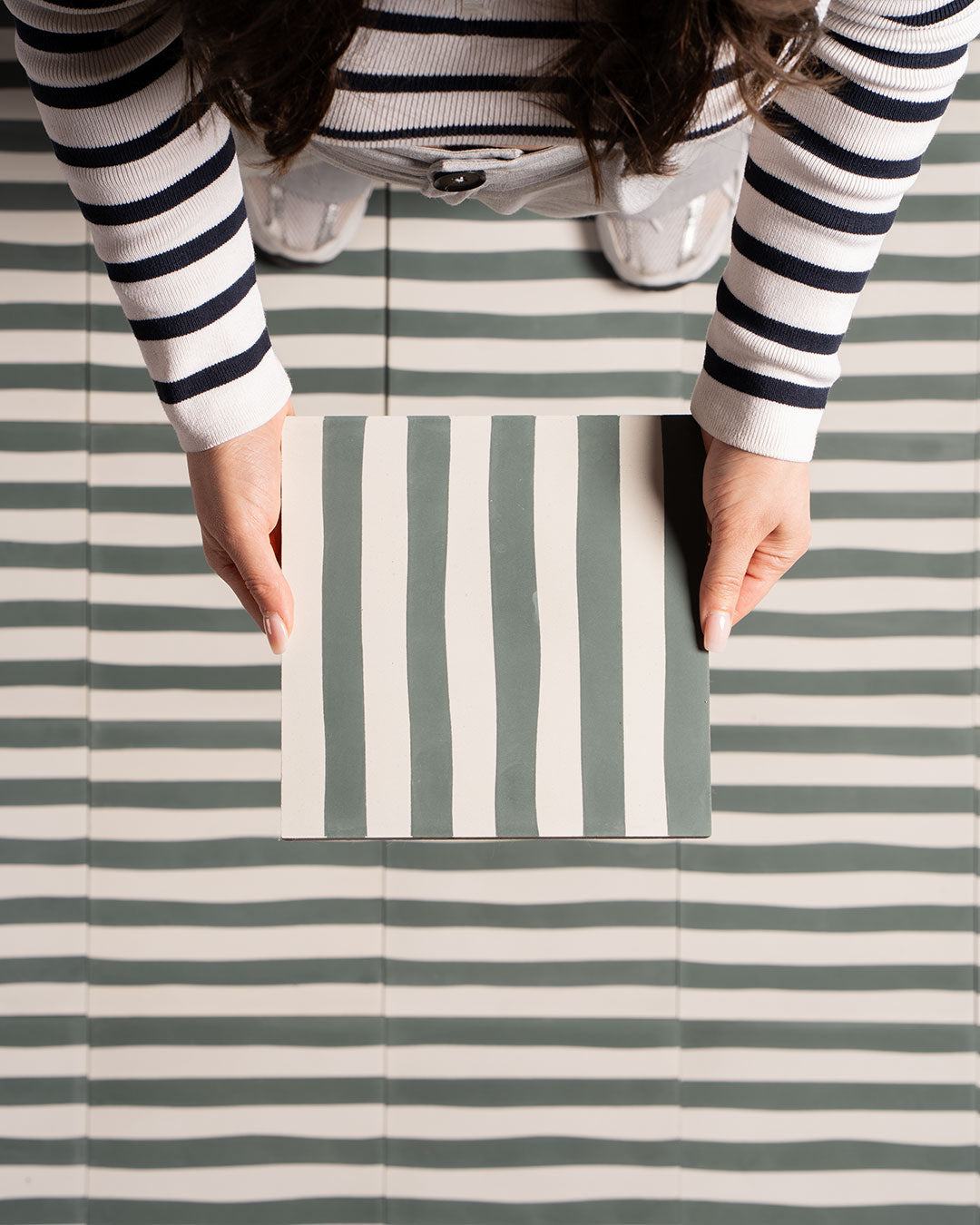
These Green Stripes encaustic cement tiles fit right into an outdoor patio setting, bringing an organic, modern flair — with a handcrafted touch.
Raising the Bar
Any bar façade or island gets an instant upgrade with the rich blue tones and symbolic motifs of the richly saturated Patara Blue patterned tiles.
Going Neutral
Soft beige tones create the sense of rustic charm in this kitchen and living area. The Beige encaustic cement tiles tile these spaces together with a mod-minimalist mood.
Wall Power
Walls definitely do the talking when adorned with the gentle allure of Patara Beige tiles. This serene backdrop doubles as a work of art — and invites quiet reflection and understated elegance.
Checkerboard Twist
For a fresh twist on the classic black-and-white checkerboard, the Aubergine and Dirty White encaustic cement tiles are a perfect match, especially in this bathroom, where they play beautifully with the blue stripes on the walls. It’s an unexpectedly lovely combination.
The same richly hued tile pattern gives a whole new attitude in this delightful kitchen, which gives anyone permission to match their floors with their cabinetry, walls, and woodwork.
Chic Continuity
This petite space is proof that tiles don’t have to stop at the floor. Continue the pattern right up the tub for a seamless sense of pattern play. This Madrid encaustic cement tile is the star of the show here; the rest of the bathroom’s soft, subtle aesthetic lets the floors take top billing.
Delicious Whimsy
This sunny kitchen surely will have your imagination take flight no matter what you’re whipping up. The whimsical bird wallpaper gets paired with the vibrant Yellow Stripes encaustic cement tiles, installed in a unique vertical orientation.
Cement Tile Installation
When it comes to installing cement tile, many homeowners choose to hire a professional team to ensure the smoothest and best outcome. After all, a good product must be combined with a good installation for the perfect result.
At Otto Tile & Design, we can help you find an expert installer specializing in encaustic cement tile.
But for those with DIY experience who feel equipped to give it a go, here are some installation tips and tricks.
DIY Cement Tile Installation Tips
To Prepare for Installation:
-
You’ll want a good foundation to lay your tile. So, make sure the tile substrate is level, clean, dry, and free of oil, dust, or debris. You may want to use something like RLS (Raimondi Leveling System) to avoid lippage between tiles.
-
If you’re using cement tiles in a wet area — like a shower — apply a suitable waterproof membrane.
-
If you are using cement tile on the floor and have underfloor heating, make sure to turn the system off at least 12 hours before tiling begins to avoid any unwanted temperature fluctuations on the floor.
Pro tip: Consider ordering at least 15% more cement tile than your measured area to account for cuts, onsite selection based on color and tone variation, and potential breakage (or mistakes!).
To Install Your Cement Tiles:
-
Make sure to use a flexible, high-bond adhesive that’s appropriate for both the substrate and cement tile.
-
Install tiles with a 0.03-inch (1 mm) space for grout for the best aesthetic results.
-
Use the double spreading method, applying adhesive to both the surface receiving the tile and the back of the tile, to ensure proper fixing.
-
Use a diamond cutter or angle grinder for cuts. Make sure to wear protective eyewear and to clean the tile immediately after.
Pro tip: Remember that encaustic cement tiles are handmade products, and they are produced by using natural materials. So, inherent to the tiles are slight thickness, weight, and color tone differences. You can avoid stacking similar tiles too frequently in a row by choosing tiles from different boxes and dry-laying them before installation to make sure you like the effect.
To Seal Your Cement Tiles:
Due to the porous nature of encaustic cement tiles, all tiles must be sealed both before and after grouting.
-
Sealant is a transparent liquid that will never change your tile’s color, finish, or texture. We recommend a sealer like Stonetech Impregnator Pro Sealer or Miracle 511 Porous Plus.
-
Before you apply the sealer, make sure the cement tile surface is clean and completely dry.
-
Suitable application tools to apply sealant include a cloth, brush, or sponge.
Pro tip: Follow the sealant’s application instructions, but always test a small area first to ensure the tiles are not stained or otherwise adversely affected. Also, if water doesn’t bead up on the surface of the tiles after the sealant is applied, it has not been applied correctly.
To Grout Your Cement Tiles:
Grouting should be applied after a certain period of time — typically one day — after the tile has been laid, to allow for curing. The exact amount of waiting time depends on the surface, environmental conditions, and the type of adhesive used.
-
Use a grout like Mapei Ultracolor Plus grout for cement tile installation — and follow the Mapei application instructions to avoid the risk of staining or grout haze.
-
As you start applying grout, it’s best to work diagonally over the tiles in small sections of 21.5 to 43 square feet (2 to 4 square meters).
-
Don’t let the grout sit on top of the tiles. Wipe off any excess quickly using clean water and a soft cloth or sponge to avoid staining.
Pro tip: As with the sealant, spot-check your grout on a small area to ensure it’s the right color of your liking and that no staining occurs.
Cement Tile Care and Maintenance
After tiling a cement floor — or any other surface — keep in mind that, over time, a natural patina will occur on cement tiles due to their intrinsic nature. They will develop a beautifully rustic look, meaning they age gracefully! Some staining is part of this, and it’s totally normal.
That said, properly caring for your cement tiles is essential to keep them looking their best year after year.
For regular, routine cleaning, use a soft cloth or mop with a pH-neutral detergent — like Miracle Tile and Stone Cleaner. It’s important not to use a detergent that’s too acidic. Avoid using any other harsh chemicals, bleach, or floor polishes, too, as this can negatively impact the cement tile. It is always wise to test any cleaning methods in an inconspicuous area of your cement tile installation.
For stubborn stains, you may need to use a wet grinding machine. This will gently remove a micro-layer of the cement tile, exposing a like-new pigment surface. Don’t forget to reseal your tiles after this process.
Pro tip: Don’t procrastinate your cleaning. Immediately wipe up any spills and don’t allow liquids to sit on the tile surface, as this excess moisture can stain, pit, and crack the tile. Oil and hair-dye stains are often difficult to remove from cement and may require a professional cleaning service.
Water spotting can be avoided with a regular maintenance routine that includes resealing the surface every 2 to 3 years, depending on wear conditions. With interior high-traffic areas and commercial spaces, a topical sealer like Fila Surface Solutions Matt Wax sealer can provide an extra layer of protection to the surface.
Where to Buy Cement Tile
With this as your guide, it’s time to pick your cement tiles, order your samples, and bring your vision to life!
Remember: With cement tile, quality counts, especially when creating a living work of art and a beautiful, long-lasting result. That’s why it’s so important to get your cement tile from the best source with the biggest, most inspired collection.
Otto Tiles & Design is here to help you every tiled step of the way. As an international brand known for its high-quality, high-style selection of cement tile, Otto Tiles & Design elevates modern artisan craftsmanship with an innovative, design-forward approach.
In addition to statement-making cement tiles, you can find other artisan tiles online and in Otto’s showroom in Miami, Florida.