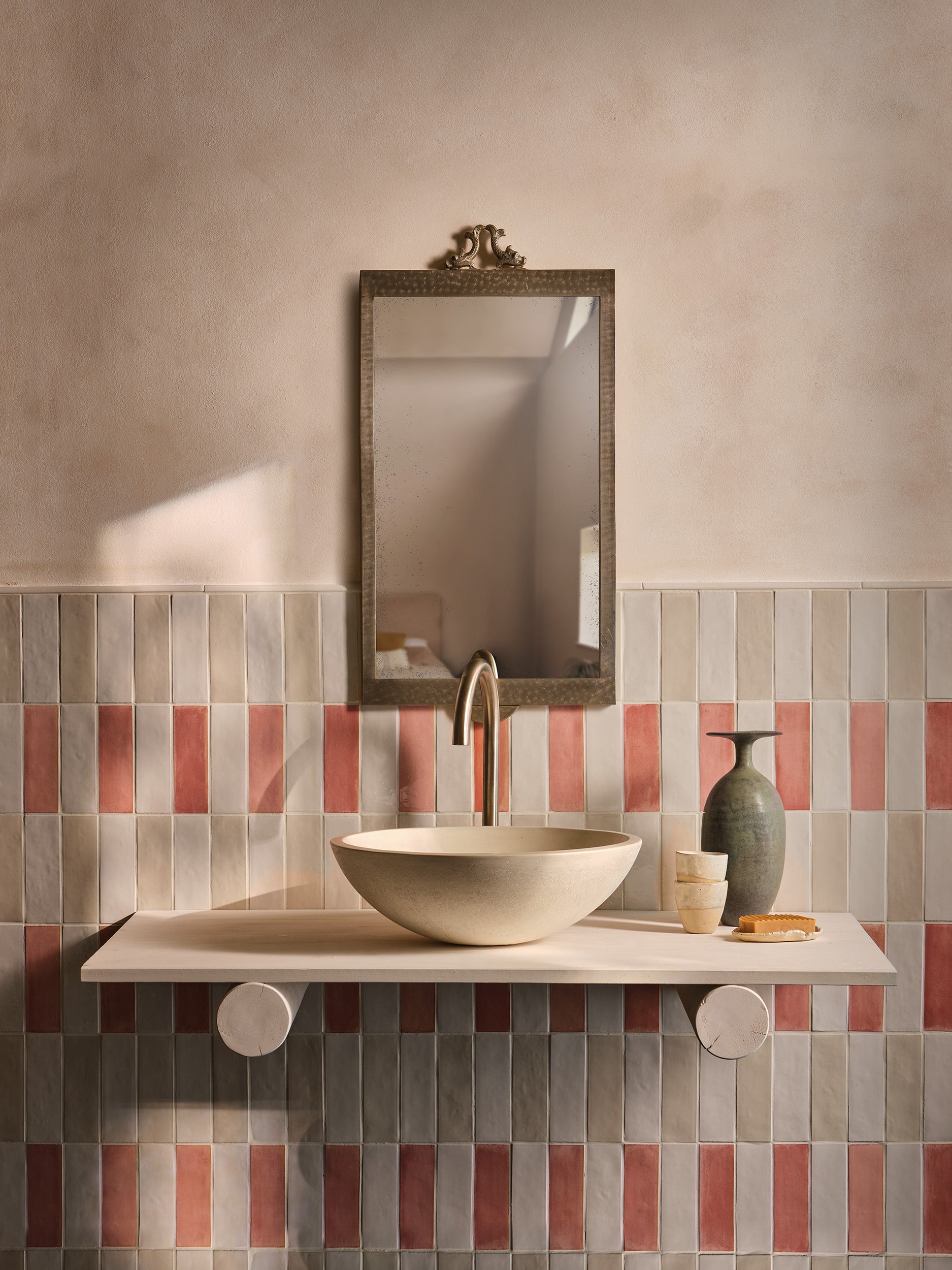
Exploring the Rich History of Zellige Tiles
There’s a reason zellige tiles are the darling of interiors lately, for designers and homeowners alike. These tiles are magic makers, bringing texture, shine, movement, and just enough imperfection to make a room feel alive.
You’ve probably seen them in kitchens, bathrooms, mudrooms, fireplaces, boutique hotels, and design magazines for years, glossy walls with uneven edges, color variation, and that unmistakable handmade look. But zellige tile isn’t a trend that suddenly appeared out of nowhere. This style of tile has been crafted in Morocco for centuries.

And that history is part of the appeal.
Unlike factory-made tile, zellige has variation built into it. The surface shifts in the light. The glaze pools differently from tile to tile. Edges aren’t perfectly identical. And all of that is exactly the point. Zellige feels organic and even human in a way most modern materials don’t anymore.
If you’re considering zellige tile for your own space, here’s what to know, including where zellige tile comes from, how it’s made, why designers love this tile, inspiration for your home, and whether it’s worth the investment.
What Are Zellige Tiles?
You may have seen and heard about zellige tiles (pronounced zuh-leej), but are unsure exactly what they are.
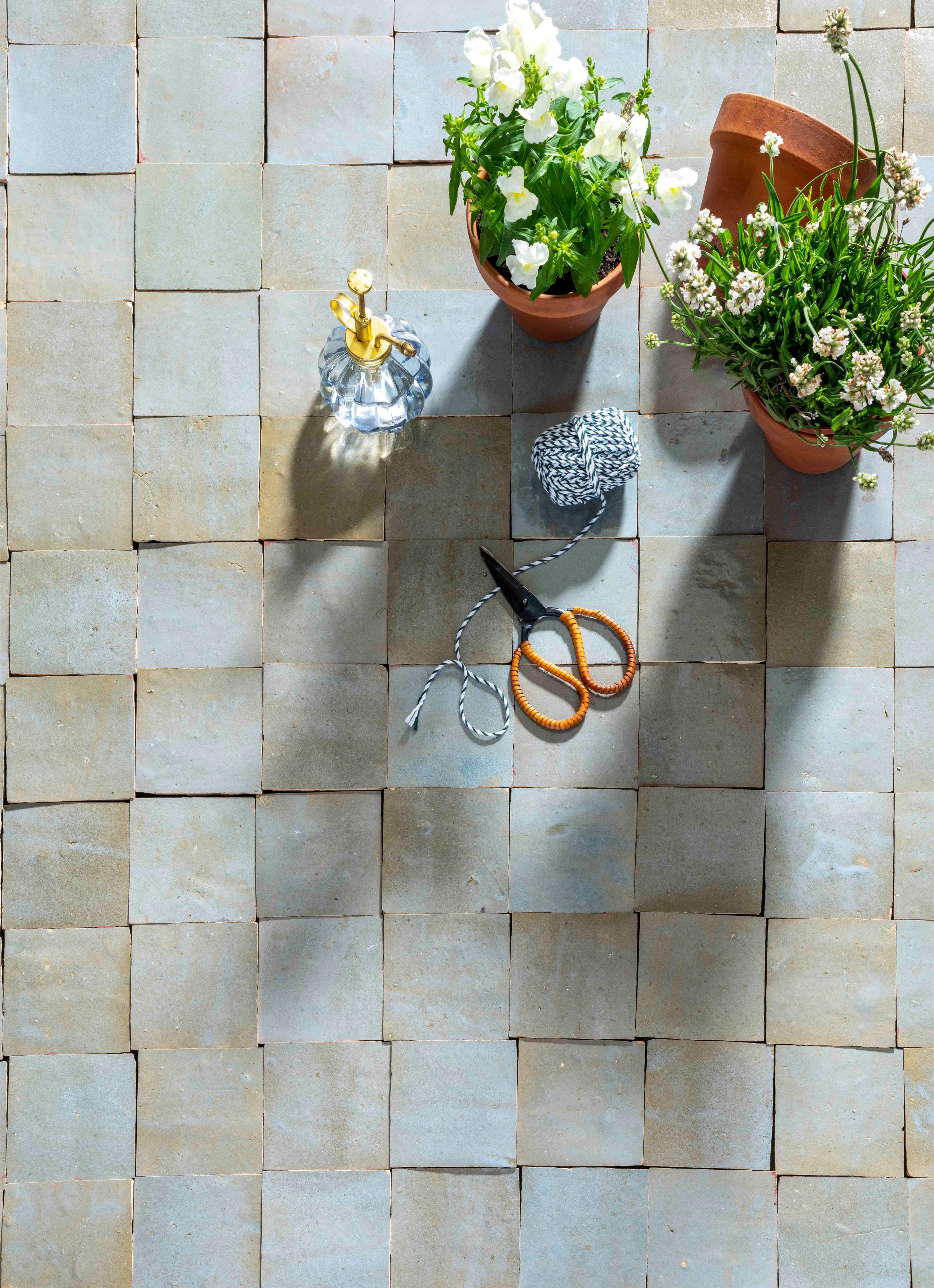
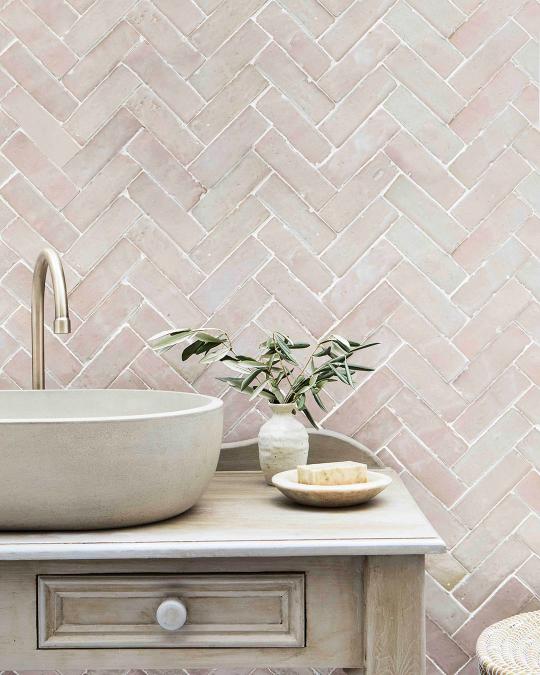
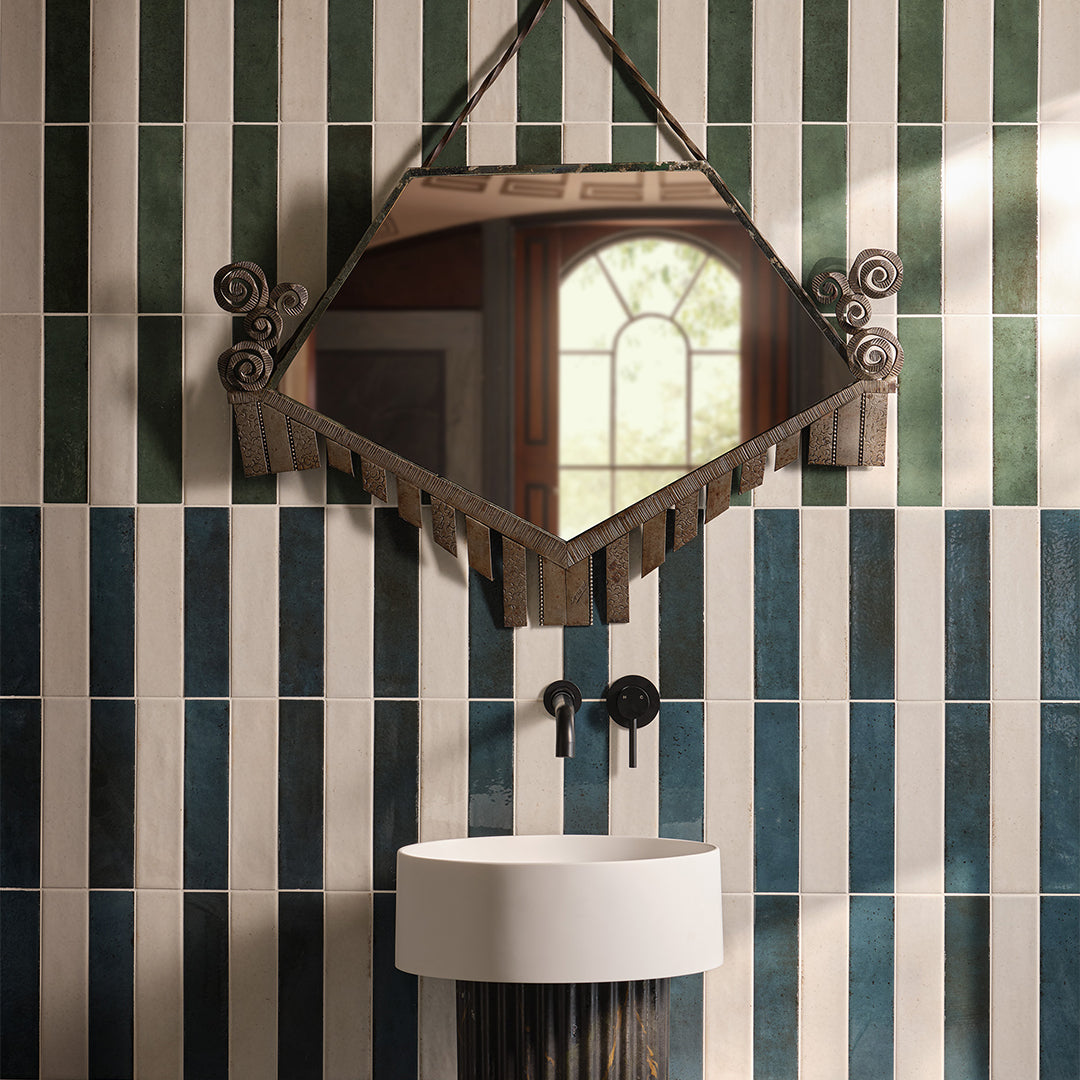
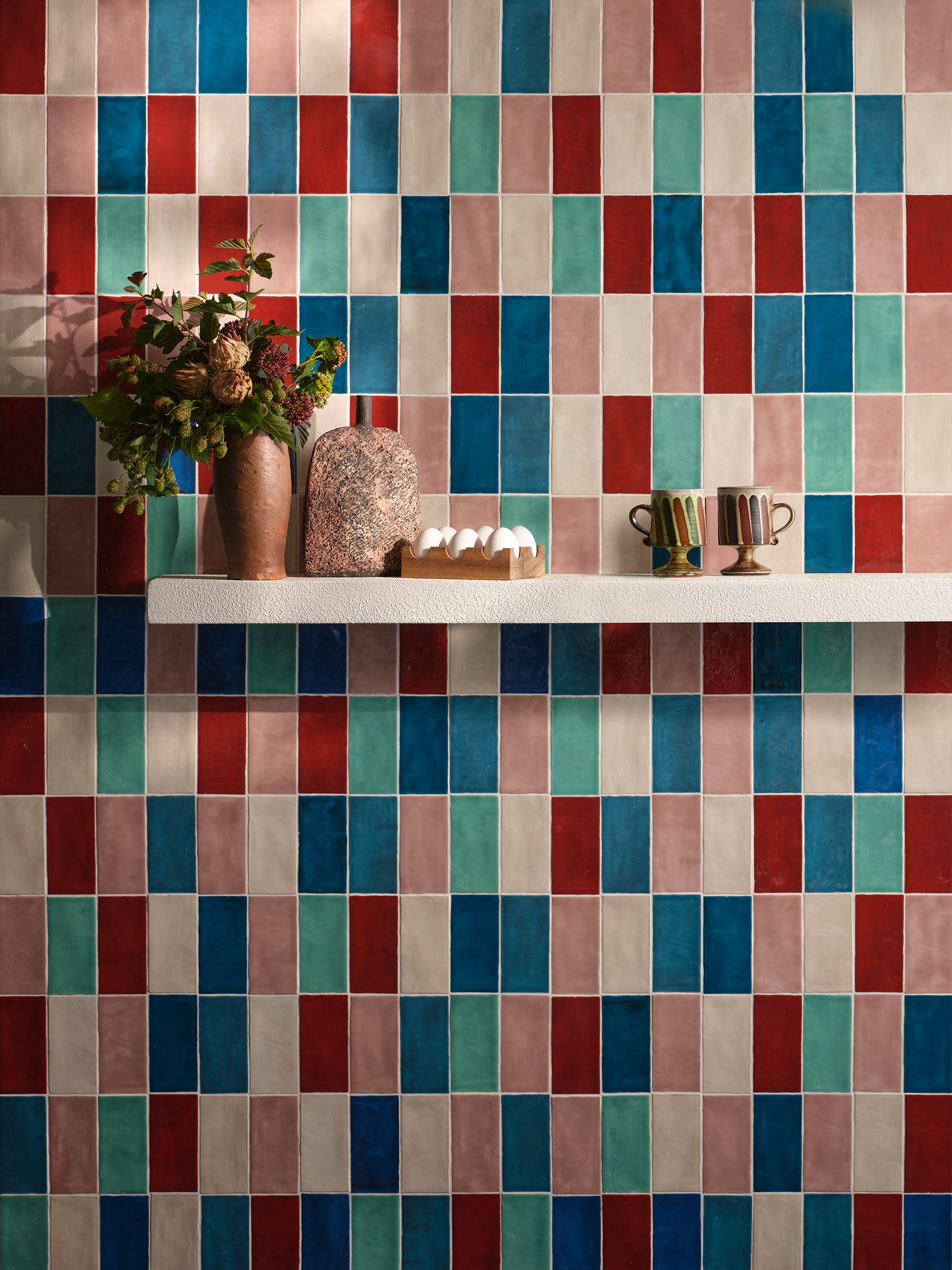
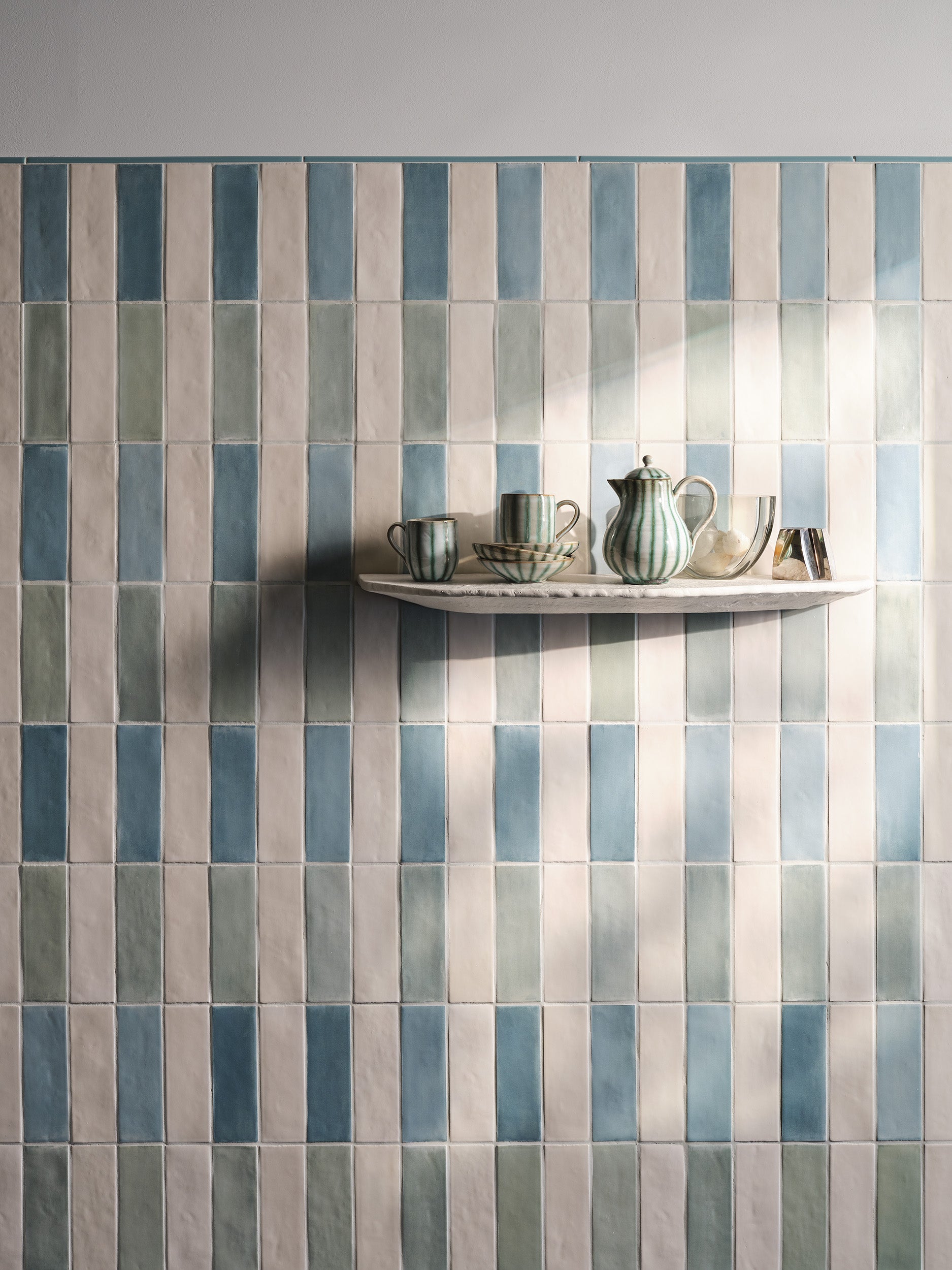
Made from natural, non-refined clay, zellige tiles are celebrated for their glossy finish, saturated color, and subtle imperfections. Those imperfections in each tile contribute to their allure and charm; no two tiles are exactly alike, and that variation is what gives installations so much depth and character.

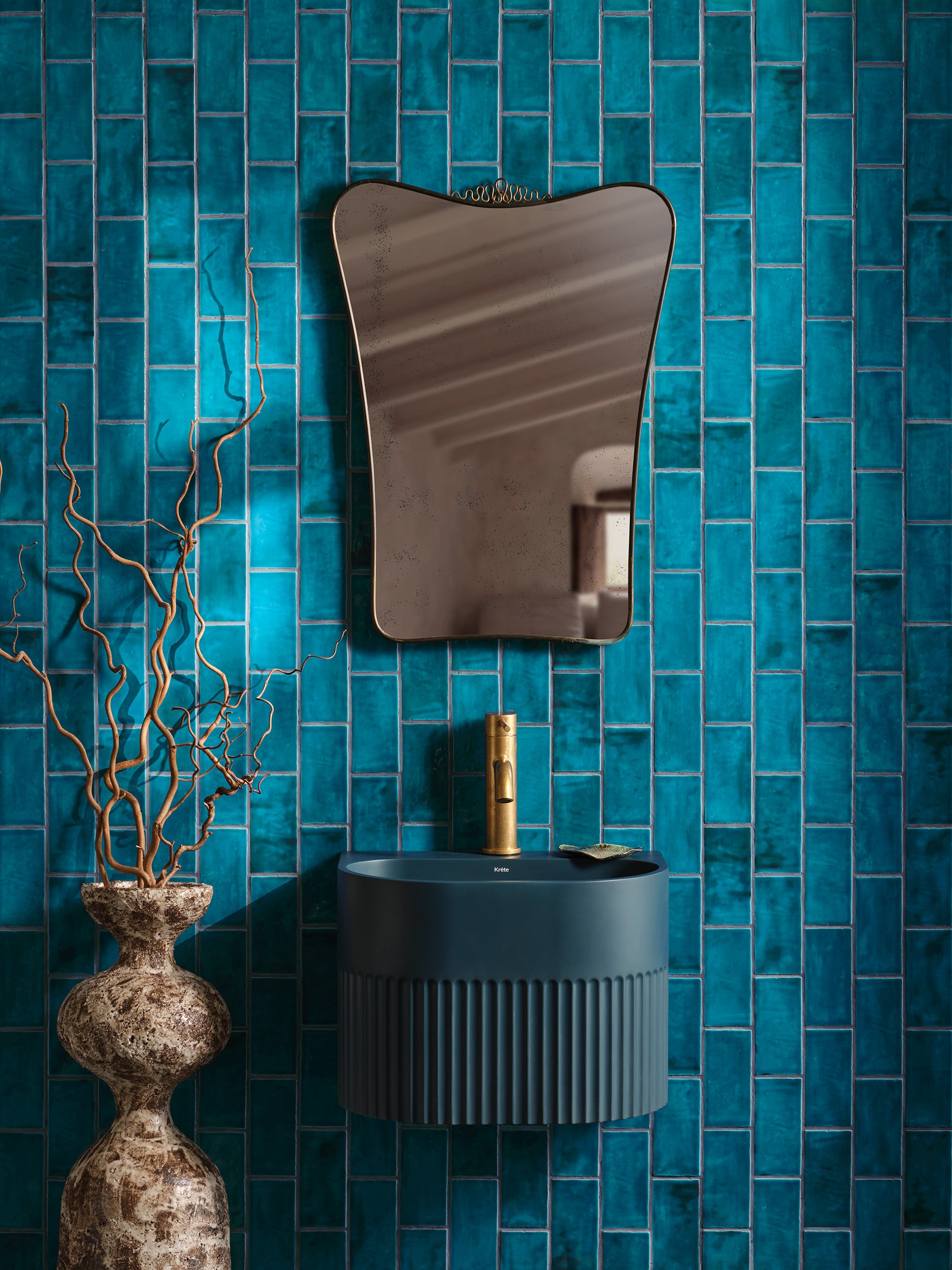
The glaze reflects light beautifully, especially in kitchens and bathrooms, where the surface can shift throughout the day, depending on the lighting. You may think a white zellige backsplash could be plain or bland, but it never is — and never falls flat. Deep green or blue zellige tiles almost glow. And that’s barely scratching the surface of this tile.
The word zellige actually comes from the Arabic word al-zulaycha, which means "little polished stone” — so it’s quite an appropriate name!
And while zellige has become especially popular in modern interiors, the material itself is anything but new.
The Rich History of Zellige Tile
Zellige tile history traces back thousands of years to around 711 A.D., when Muslim inhabitants of North Africa and the Mediterranean first created zellige with unrefined clay from Morocco's Fez region.
Early zellige tiles were seen in handmade Moorish art and mesmerizing, mathematical mosaics. Islam prohibits the portrayal of living things, so artists instead used zellige as a tool for creative expression through rich geometric patterns. The tile added color and significance to mosques, fountains, palaces, courtyards, riads, and other buildings throughout Morocco and parts of Spain.

Early zellige tiles were often more neutral — whites, browns, and earthy tones — but by the 14th century, richer colors like cobalt blue, green, and yellow became more common. Red glazes followed later.
What’s remarkable is how little the essence of the craft has changed. Even now, authentic zellige tile is still largely made by hand using traditional methods passed down through generations.
Where Is Zellige Tile Made?
To this day, authentic zellige tiles are made in Morocco, primarily in and around Fez. The region’s natural clay is a major reason Fez remains the global center of zellige production and craftsmanship.
Many artisans learn the craft from family members at a very early age, so the skills, expertise, and art transcend multiple generations. These tilemakers often feel a distinct sense of pride in carrying on the ancient tradition.

True zellige tiles are never mass-produced. It’s why the real versions look different from machine-made imitations. The irregular edges, tonal variation, glaze movement, and texture all come from the handmade process itself that defines this authentic tile.
How Is Zellige Tile Made?
Zellige tile is a true art form — every step is done by hand. The handcrafted nature of the product is what offers its distinctive depth and organic beauty.
The process begins with the unique, natural clay that's found in Fez. The clay is first soaked before it's kneaded and shaped into tiles. After drying in the sun, the tiles are fired in a kiln, hand-glazed, and fired again. Many pieces are then hand-chiseled to create their final shape and slightly uneven edges.
That handmade process creates all the little details people love about zellige: variation in tone, tiny imperfections in the glaze, surface texture, crazing, and reflection. It’s what gives the tile movement instead of that flat, overly uniform look you get from mass-produced tile.
What Are the Different Colors of Zellige Tile?
Spin the color wheel, and whatever hue you land on, it’s likely available in the best zellige tile options. Indeed, one of the many incredible things about zellige is the range of rich hues available.
Plus, almost any shade feels more interesting in zellige because the glaze has so much depth and variation. Even simple white zellige has dimension.
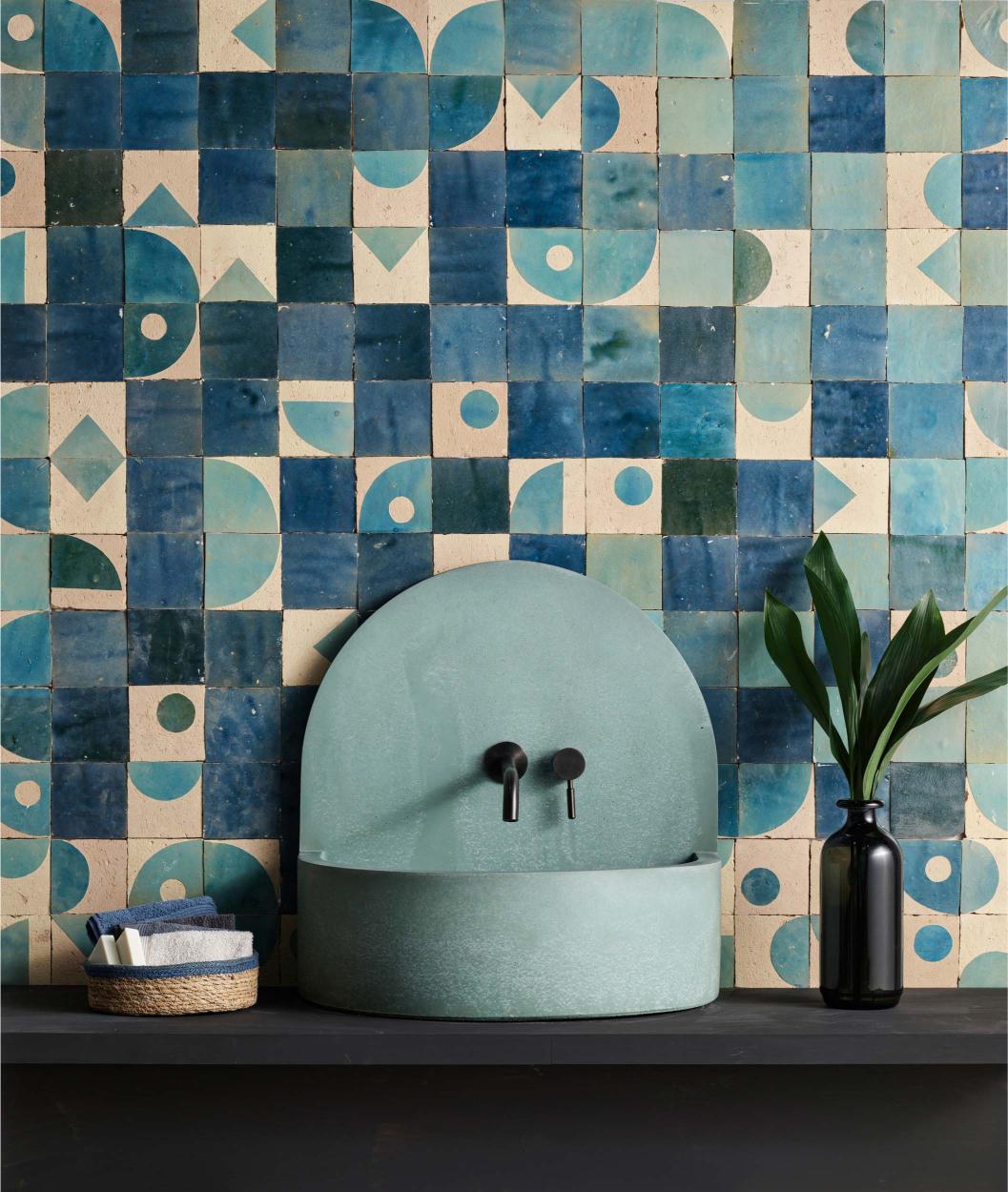
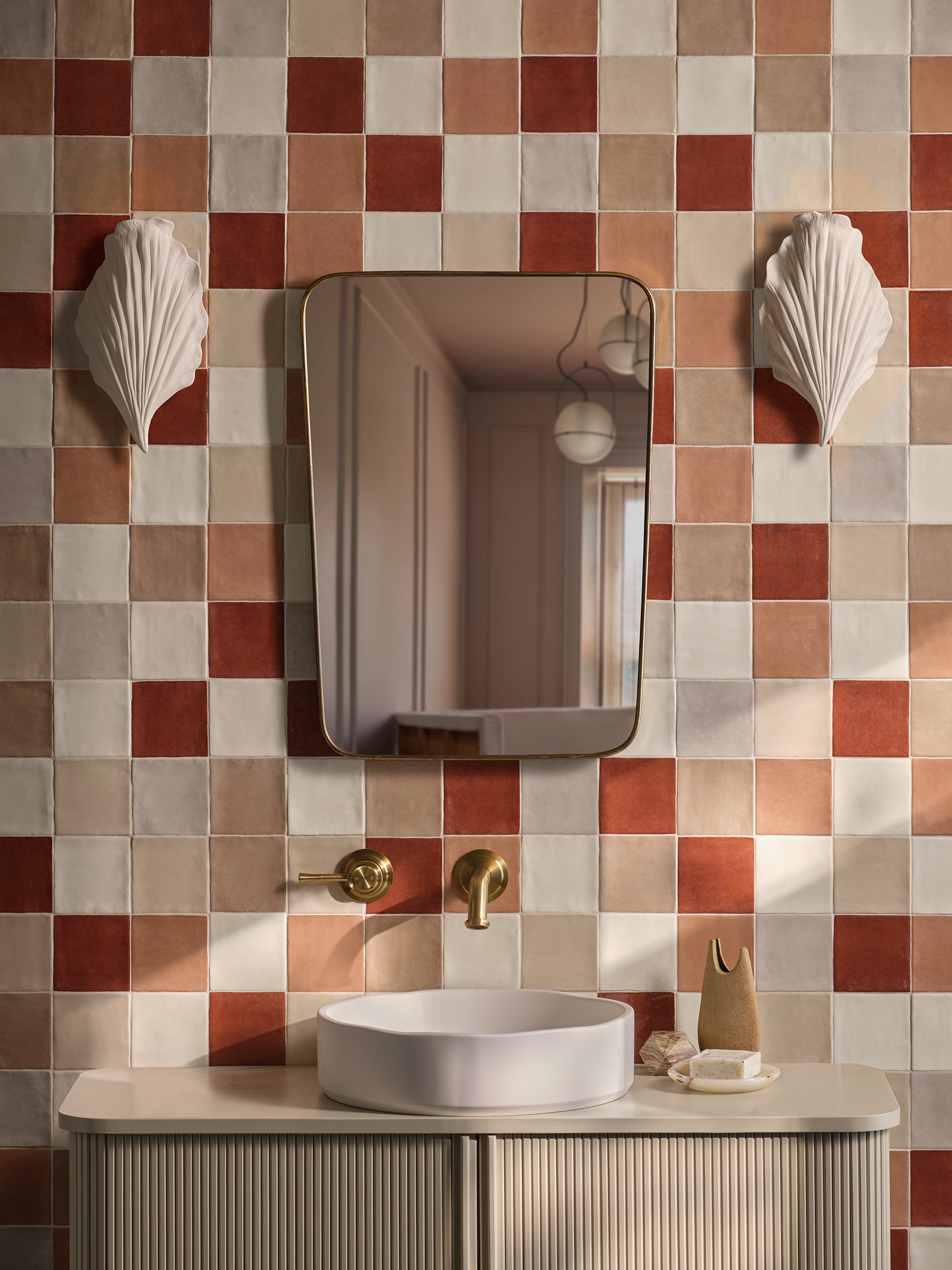
Traditional Moroccan palettes leaned heavily into cobalt blue, emerald green, terracotta, ochre, cream, and earthy neutrals, but modern collections now include everything from blush pinks and soft sages to charcoal, citron, and saturated jewel tones.

At Otto Tiles & Design, zellige collections include more than 50 solid hues, colorful zellige patterns, and intricate mosaic zellige tiles that introduce geometric shapes such as stripes, trapezoids, octagons, and more.
Because of the handcrafted glazing process, every colorway — including monochromatic and neutral zellige installations — features beautiful tonal variation that adds dimension to a room.
Are Zellige Tiles Dated?
Not even close. Although they date back to the 8th century, zellige tiles are far from “dated.” If anything, zellige tiles have become more popular because people are craving materials that feel natural and handmade again.
The reason zellige lasts is because it doesn’t rely on trends. It works in modern homes, Mediterranean spaces, historic renovations, organic contemporary interiors, coastal homes, and minimalist kitchens alike.
A glossy white zellige wall can feel clean and modern. Dark green zellige can feel moody and dramatic. Neutral clay tones can feel warm and rustic.
The tile adapts. And unlike overly perfect tile, zellige tends to age beautifully because the imperfections are already part of the design. It’s beautifully enduring.

Is Zellige Tile More Expensive?
Generally, yes. Because zellige tiles are handmade, they usually cost more than mass-produced ceramic or porcelain tiles. The labor alone — shaping, glazing, firing, and finishing every piece individually — makes it a more artisanal product.
But for many homeowners and designers, that’s exactly the value.
Zellige completely changes the feel of a room. Even a small application, like a backsplash or shower niche, can add warmth, texture, and movement that standard tile just can’t replicate.
And because the look is so timeless, it tends to hold up stylistically far longer than trend-driven finishes.
Design Inspiration for Zellige Tiles
As you’ve probably noticed, zellige tiles are incredibly versatile. From kitchen backsplashes to bathroom walls, showers, fireplace surrounds, feature walls, powder rooms, bar areas, and even commercial hospitality spaces, they work across nearly any room. They can even be used in some exterior applications, such as outdoor kitchens, sunrooms, patios, and pools.
Here are some ideas to get your own creative juices flowing.
Be Floored
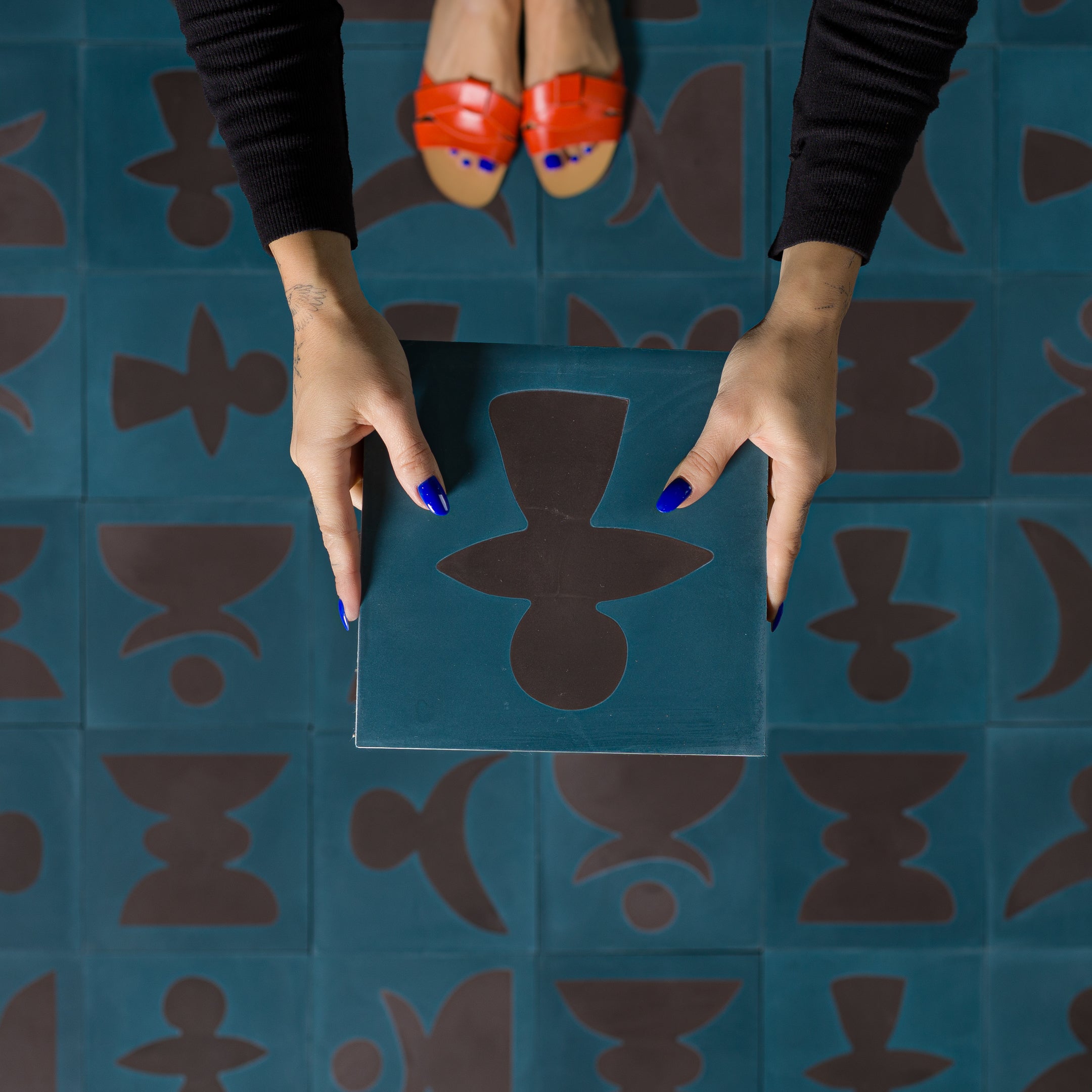
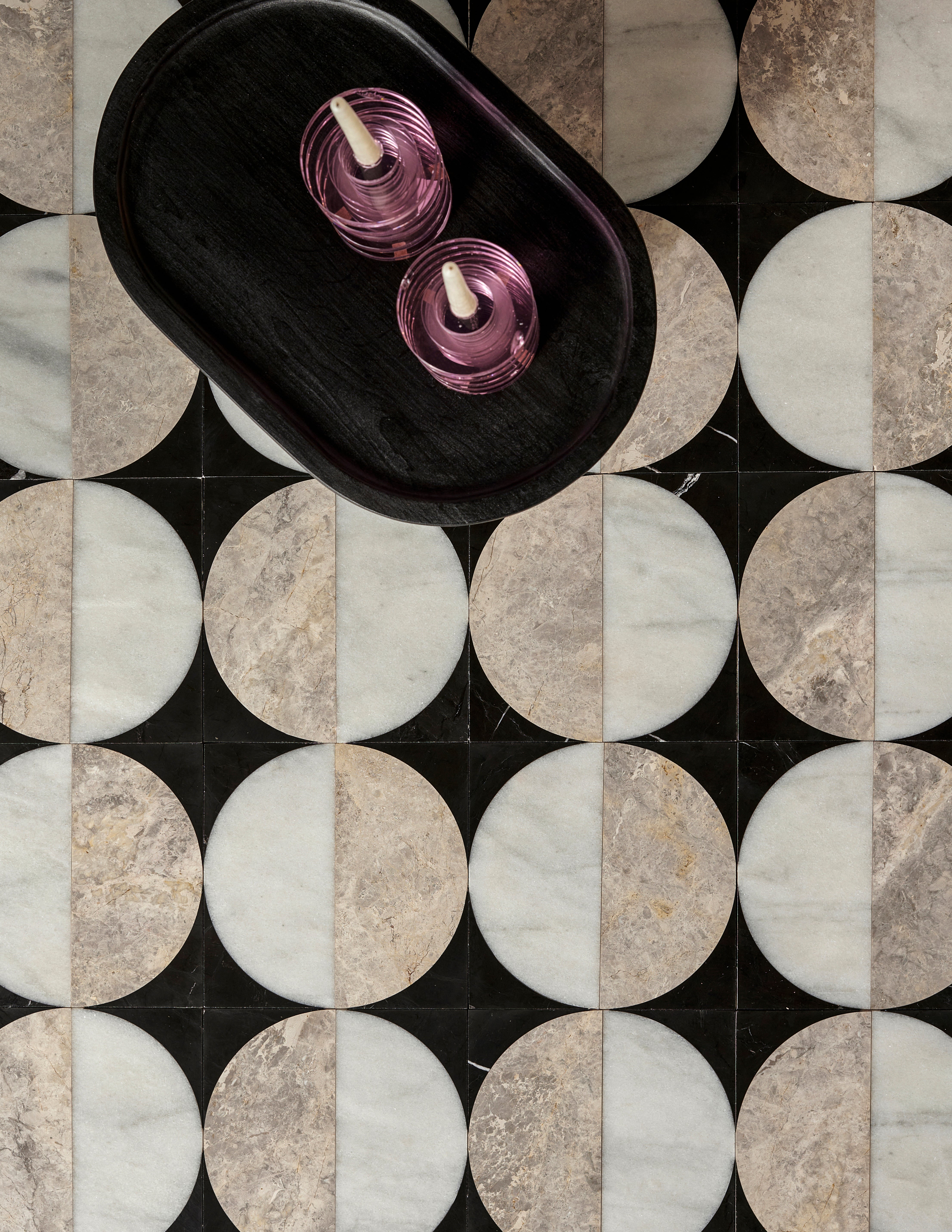
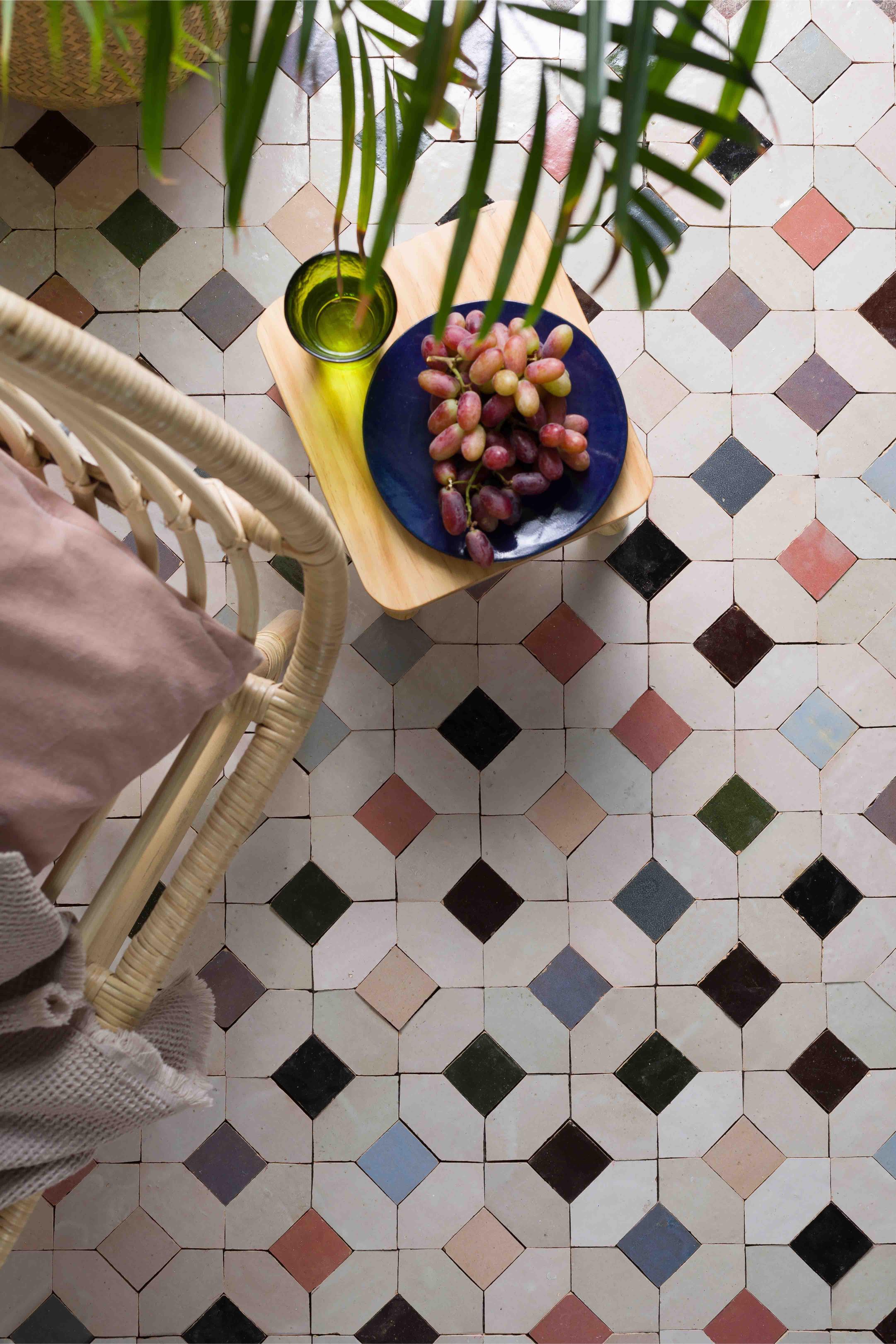
The floor is the statement piece — if the Colorful Mosaic tile has anything to say, it is. This bold, patterned floor is playful yet timeless. And when paired with soft, organic shapes and warm wood tones, the space feels elevated, not overwhelming.
Wall Power
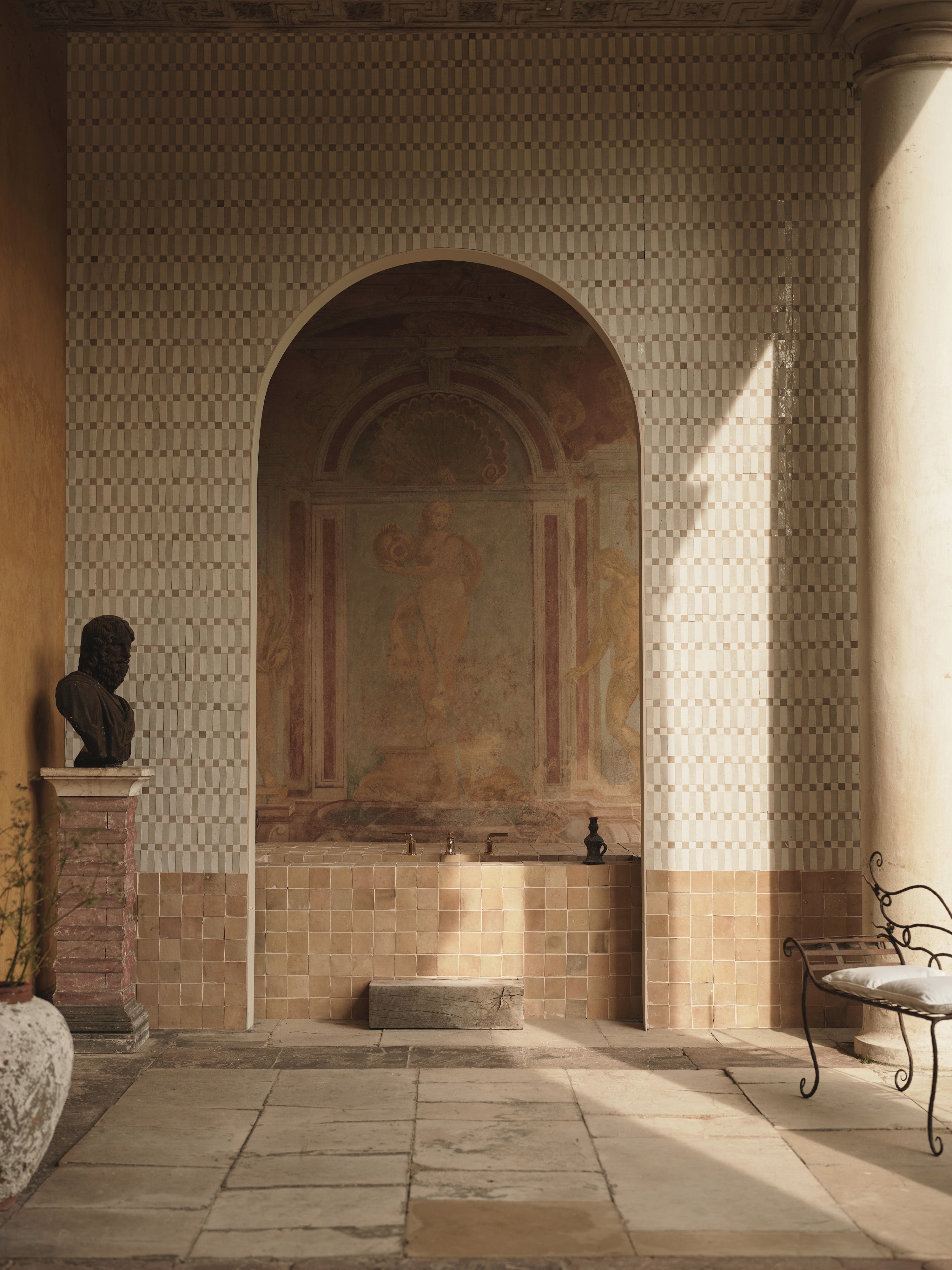
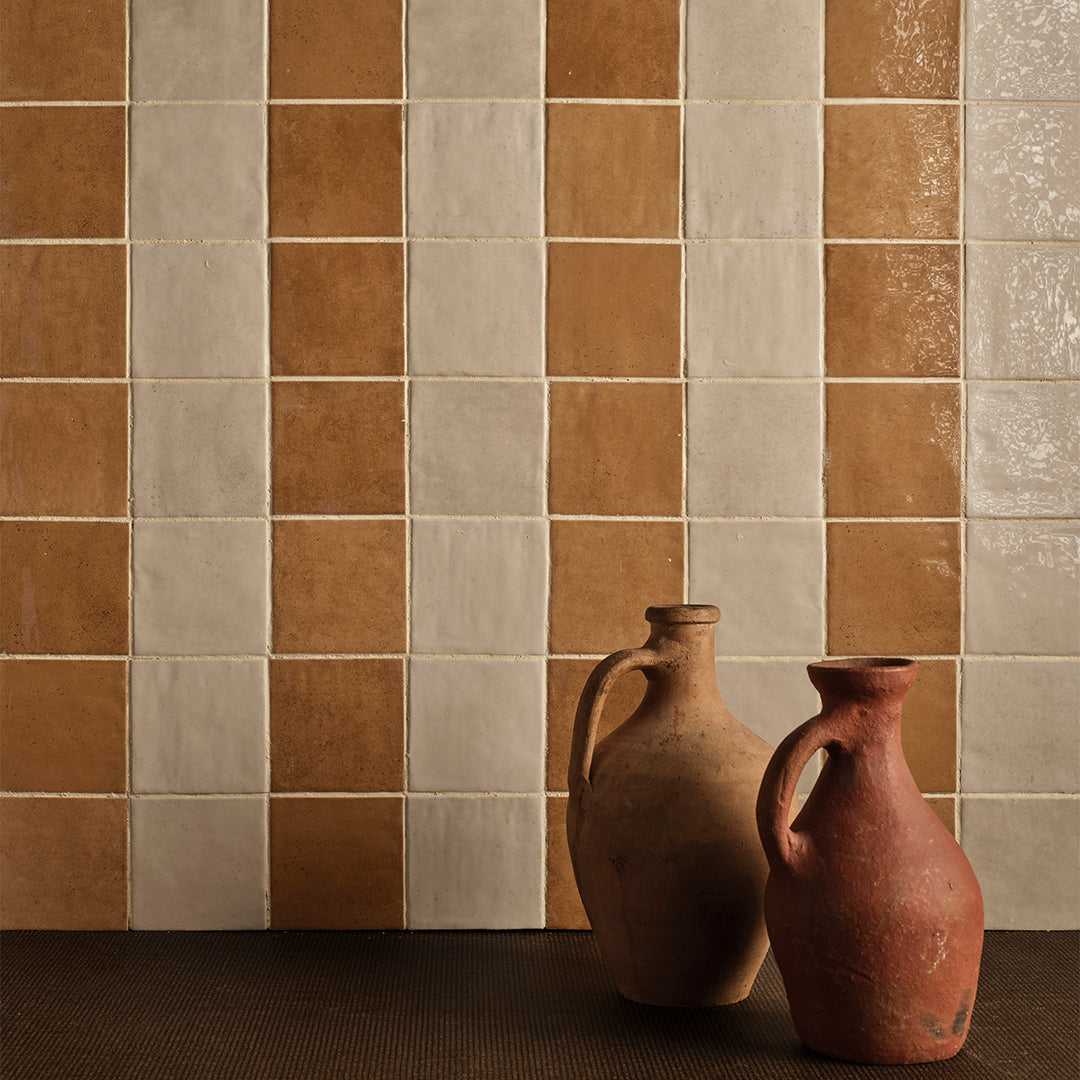
Skip the wallpaper and go for wall tiles instead. The beautiful geometry and sun-baked tones of Marrakech Stripes in Paprika have turned this wall into a living work of art.
White Haute
This kitchen is a perfect example to prove that white tile is anything but bland when it comes to zellige. The Fes White zellige tiles create a beautiful backdrop, as their subtly varied surface reflects the light and adds natural texture.
Petite Perfection
This is a masterclass in all-over artful tiling. Bold yet subtle, the White Octagon Zellige creates a tiny but mighty powder room.
Show Your Stripes
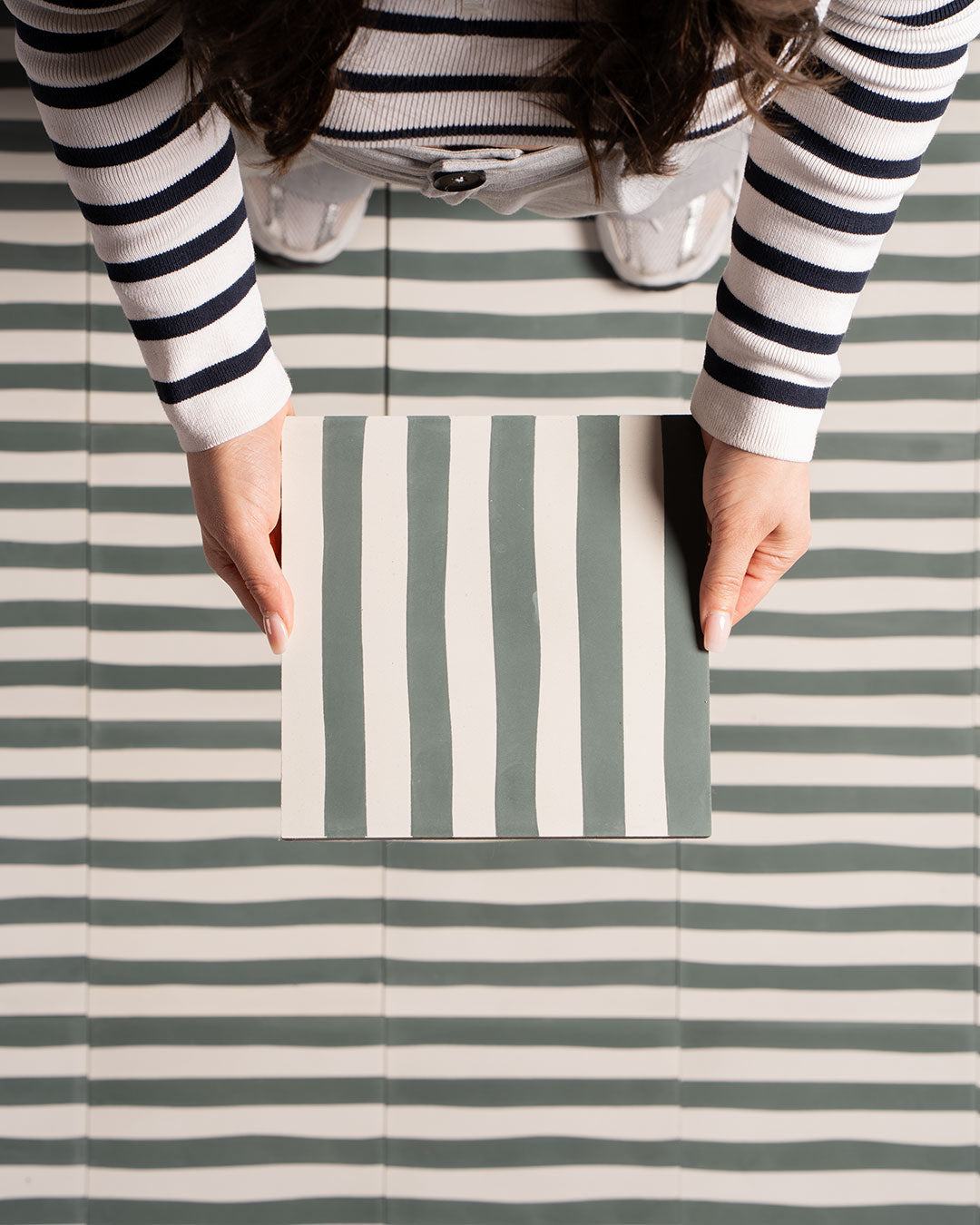
Striped tiles in a bathroom never looked so lovely. The Pistachio Marrakesh Stripes zellige tiles make for a dreamy space that pairs soft green tones with timeless brass details for the ultimate jewel-box bathroom.
Soft Yet Statement-Making
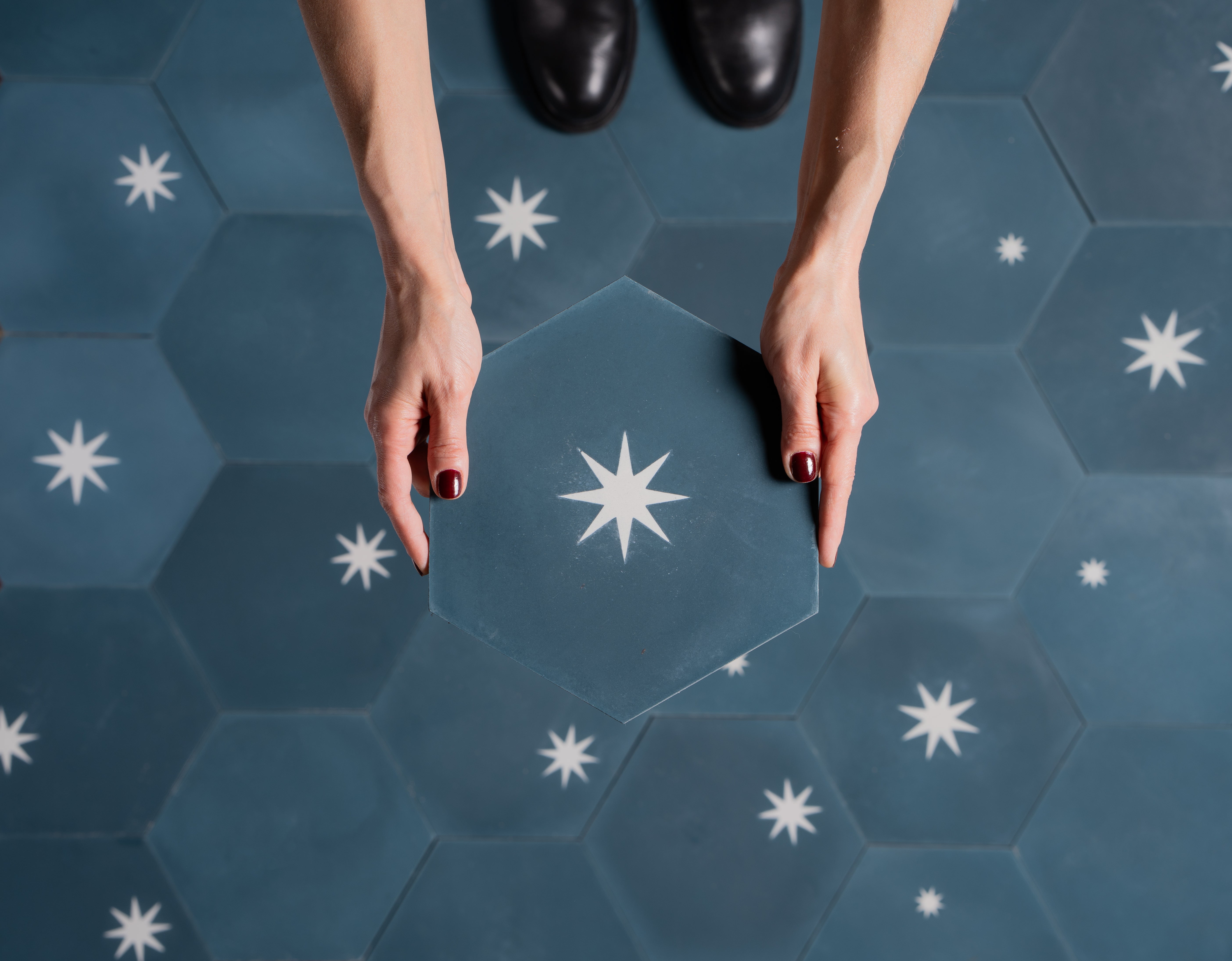
The Terracotta Gray Octagon zellige is the perfect statement floor for cozy kitchens, breakfast nooks, and spaces that deserve a little extra dose of whimsical magic.
When using statement flooring, it’s helpful to keep the surrounding palette soft and tonal, so the pattern feels intentional rather than overwhelming. Layering curved furniture, natural textures, and muted pastels helps bold tile feel elevated, warm, and effortlessly livable.
Why Zellige Tiles Continue to Endure
As you can see from these examples alone, zellige tiles are pretty special. They have lasted for centuries for a simple reason: nothing else really looks like them.
Even now, in a world full of perfectly uniform materials and fast manufacturing, zellige still feels personal because every tile is made by hand and shows subtle variations in color, texture, shape, and sheen. That variation is what gives a space depth and warmth instead of making it feel flat or overly polished.
The glaze shifts in the light throughout the day. The surface reflects differently from tile to tile. A wall (or even a floor) of zellige never looks static — it moves.
And while trends in interiors constantly change, handmade materials tend to stick around because they bring character into a space in a way mass-produced finishes can’t. Zellige works just as well in modern kitchens as it does in historic homes, eclectic interiors, or organic contemporary spaces.
That balance of history, craftsmanship, and versatility is exactly why everyone keeps coming back to it.
Where to Buy Zellige Tiles
If you’re shopping for zellige tiles, authenticity and craftsmanship make all the difference.
True zellige should feel handmade. You want variation in tone, movement in the glaze, and the kind of texture that gives a space dimension instead of looking overly manufactured or flat.
At Otto Tiles & Design, our Signature Zellige Collection blends traditional Moroccan craftsmanship with modern color palettes, patterns, sizes, and layouts designed for contemporary interiors. Along with the classic square zellige and the Bejmat rectangular shape, the collection includes other stunning variations, such as arches, geometric patterns, mosaic formats, and richly saturated glazes that feel both timeless and fresh.
Whether you’re designing a quietly neutral kitchen, a bold powder room, a spa-like bathroom, or a statement fireplace surround, zellige tile adds texture, warmth, and a handcrafted quality that instantly makes a space feel more layered and lived in.